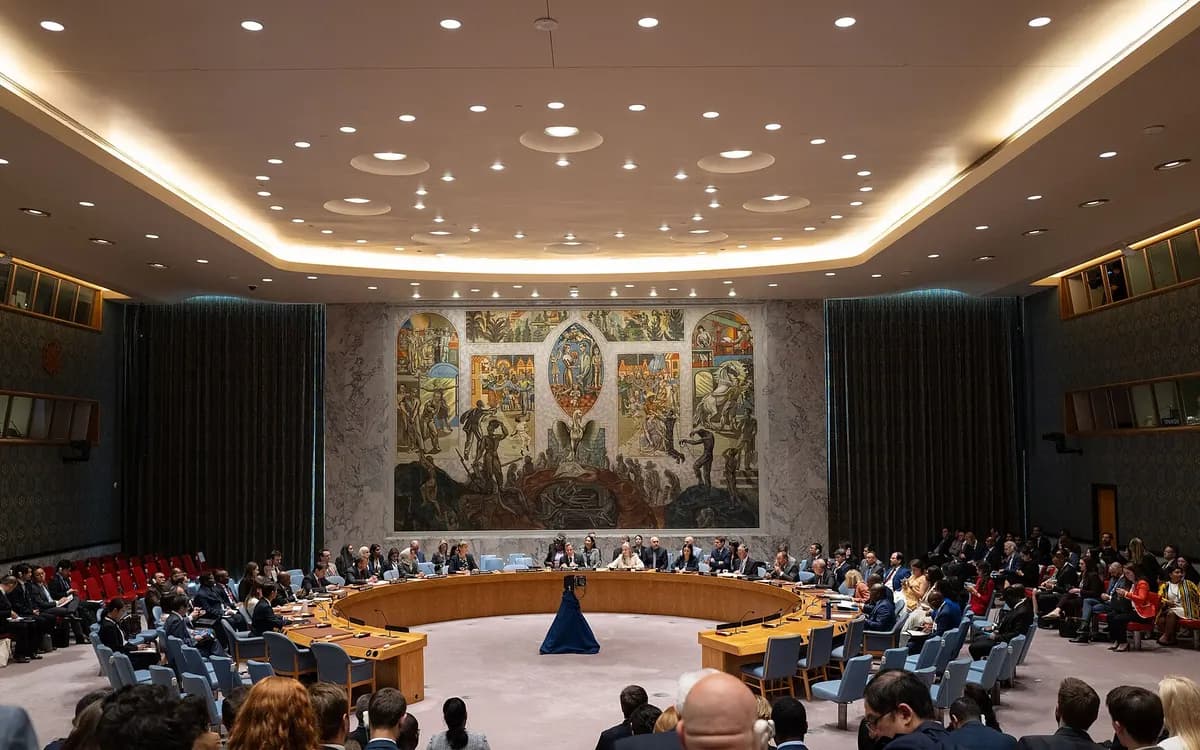
The UN Security Council simulation is the most coveted placement at many Model UN conferences. It is small (fifteen delegates), intensely political, and operates under completely different dynamics to General Assembly committees. If you have been assigned a UNSC role, or if you are chairing one, this guide will tell you exactly what you are walking into.
UNSC Composition#
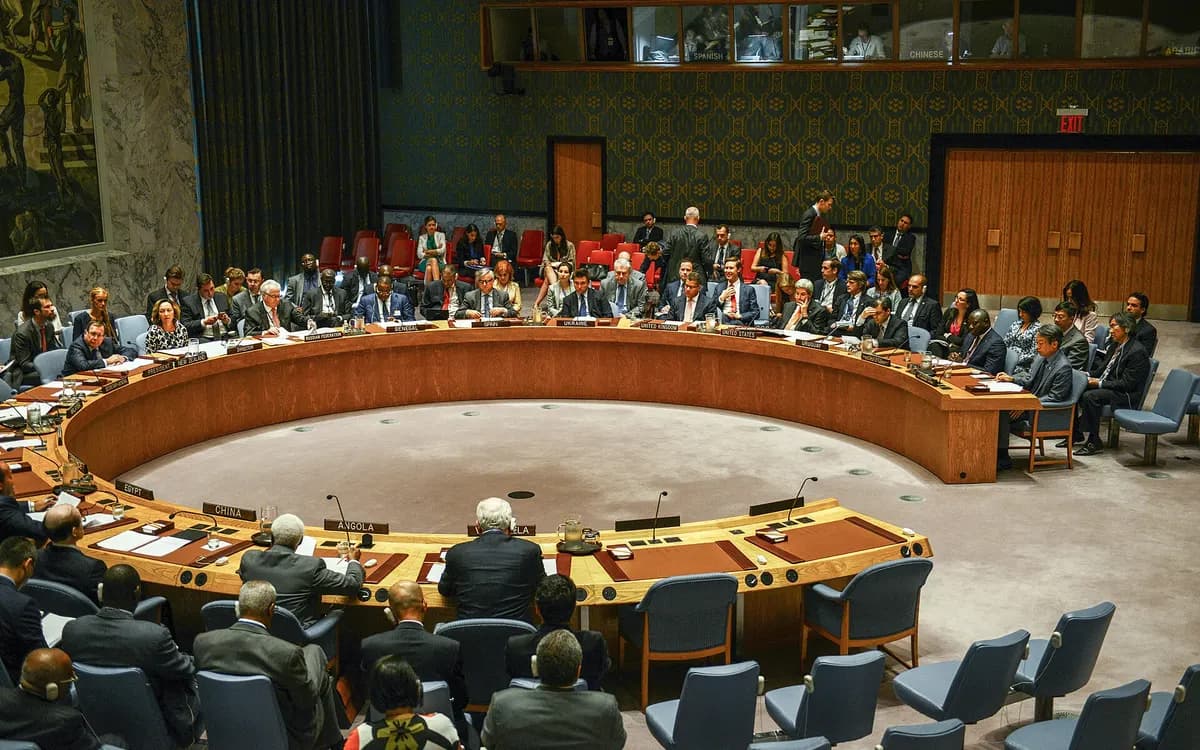
The real Security Council has fifteen members: five permanent members (P5) and ten non-permanent members elected for two-year terms. MUN simulations replicate this structure, sometimes with a fixed list of assigned nations, sometimes allowing the conference to choose which ten non-permanent members to include.
The P5 are: the United States, United Kingdom, France, Russia, and China. Each holds permanent veto power over substantive resolutions. Our MUN country profiles are a quick way to read up on your seat.
The Veto: How It Actually Works#
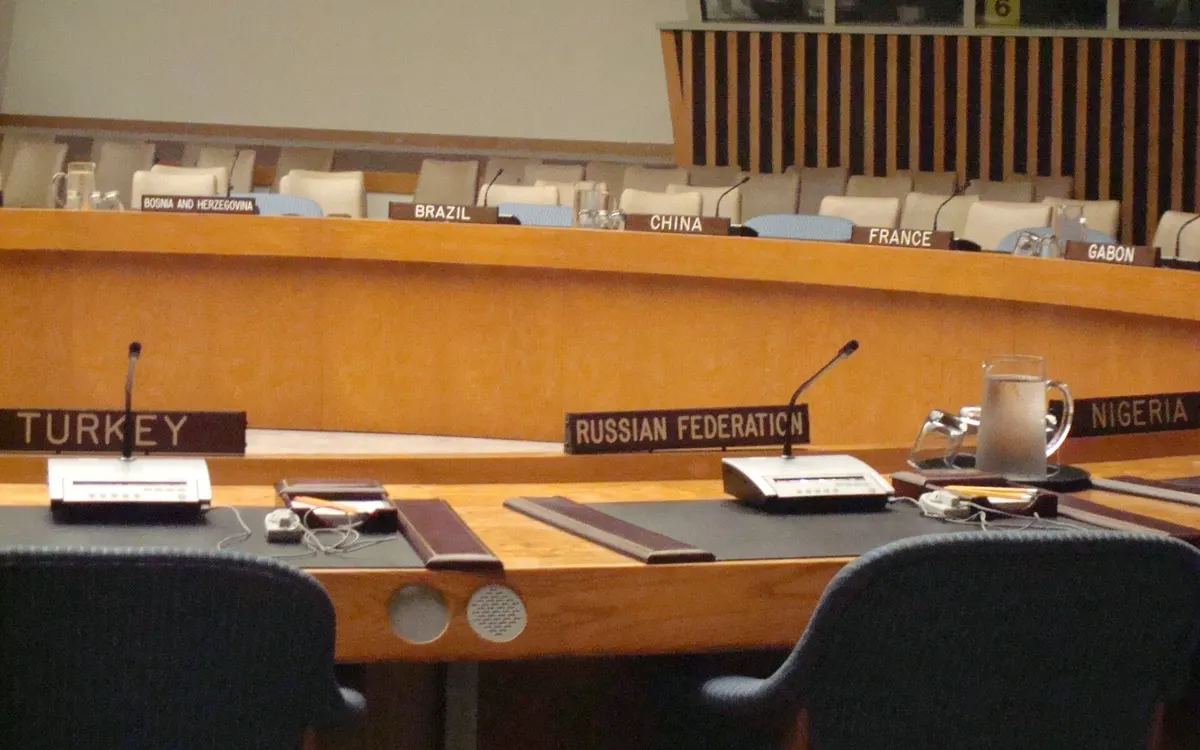
A Security Council resolution passes only if it receives nine or more affirmative votes AND no P5 member votes Against. A single P5 member voting Against defeats the resolution, regardless of whether the other fourteen members vote in favour. This is the veto. Our guide to MUN voting procedures covers how votes are run.
In MUN simulations, the veto creates completely different bloc dynamics. No resolution can pass without at least tacit P5 acceptance. Non-permanent members must spend significant effort persuading P5 delegates to support or at minimum abstain.
Procedural Differences from GA Committees#
UNSC simulations typically operate with far less formal procedure than GA committees. Expect:
- No formal speakers list in many simulations. Chairs often run debate more conversationally, recognising delegates to speak without a formal queue.
- More unmoderated caucus time. With only fifteen delegates, the whole committee can effectively negotiate in the room.
- Faster document cycles. Working papers emerge and merge much faster in a fifteen-person room than in a hundred-person GA.
- Consultations of the whole. Many UNSC simulations use "consultations of the whole": a semi-informal full-committee discussion without a strict speakers list.
P5 Strategy#
If you hold a P5 seat, you are the most powerful delegate in the room. Use it wisely:
- Your veto threat is leverage. You rarely need to actually veto; the threat alone shapes resolution language. Use it in negotiations to extract concessions.
- P5 coordination is critical. You can block any draft alone, but you cannot pass one alone: it needs nine votes and no veto from the other four. Align with at least some P5 members early.
- Abstentions are a diplomatic tool. Publicly abstaining rather than vetoing signals that you have reservations but are not actively blocking progress. This is a real-world diplomatic move worth simulating.
Non-Permanent Member Strategy#
Non-permanent members cannot veto, but they are not powerless. Nine votes are needed to pass a resolution, and with only five P5 members, at least four non-permanent votes are always required. This gives swing states real leverage, especially if two or more P5 members are already committed and you can deny the ninth vote.
Chairing a Security Council Simulation#
Chairing UNSC is more like moderating a high-stakes negotiation than running a formal debate. Your key responsibilities:
- Read the room constantly. With fifteen delegates, you can see every reaction, every side conversation. Use this to gauge when to push towards a vote or open another unmod.
- Manage P5 personalities carefully. P5 delegates tend to dominate. Ensure non-permanent members have genuine speaking opportunities. Our guide to handling difficult delegates can help.
- Know the veto maths. Before calling a vote, mentally count: do the sponsors have nine votes? Is any P5 threatening a veto? Calling a doomed vote wastes the committee's time.
Common Topics for UNSC Simulations#
UNSC simulations typically address: ongoing armed conflicts (Syria, Sudan, Ukraine), nuclear non-proliferation, terrorism, sanctions regimes, and peacekeeping operations. The most interesting topics are those where the P5 have genuinely divergent interests. These create authentic diplomatic tension.