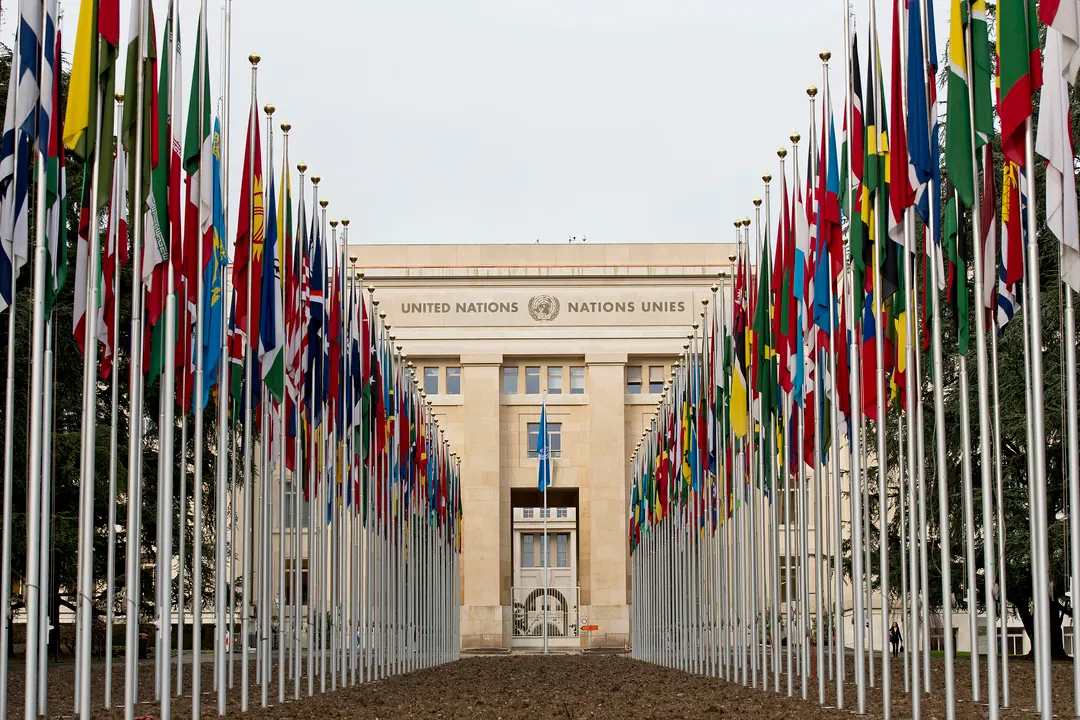
Why partnerships grow a conference faster than advertising
Most conferences try to grow by shouting louder. More posts, more paid promotion, more emails to schools that never answered last year. Some of it works, but every delegate bought that way has to be bought again next year.
A partnership works differently. When another conference, a school society or a university department recommends you, the delegate arrives already trusting you, because someone they trust vouched for you. And because the partner gets something back, they recommend you again next year without being asked.
Partnerships are also how small conferences borrow what they do not yet have. A second-year conference has no reputation of its own, but it can borrow some from a respected university department that co-hosts a committee. It has no pool of experienced chairs, but it can borrow two from a partner conference in exchange for two of its own at theirs.
The trouble is that most MUN partnerships are vague. Two secretaries-general agree to "partner up", swap logos, post once on social media and never speak again. Nobody can say what the partnership brought, so nobody renews it. The usual failures look like this.
- The terms are never written down. Each side remembers a different promise, and the person who agreed it graduates.
- The exchange is uneven. One side sends forty delegates, the other sends four, and resentment builds quietly.
- Nothing is measured. Without a tracking link or a code, nobody knows whether the partner sent anyone at all.
- There is no owner. The partnership belongs to "the secretariat", which means it belongs to nobody.
This playbook treats partnerships as a method: decide what you can offer, find the partners who want exactly that, agree terms in writing, run them through the year, measure what each one brought and renew the ones that worked.
The kinds of partner and what each can give you
Partners are not one pool. Each kind wants something different and can give you something different, and the best partnership programmes mix several kinds.
| Partner | What they can give you | What they usually want back |
|---|---|---|
| Another conference (different dates, nearby region) | Delegates from their audience, experienced chairs, shared promotion | The same from you, in roughly equal measure |
| A school MUN society | A delegation every year, a faculty advisor who returns | Discounted places, a reliable date, a good experience for first-timers |
| A university MUN society | Chairs, trainers, older students who lift the standard | Chairing experience for their members, visibility to future students |
| A university department (international relations, law, politics) | A speaker, a co-hosted committee, academic credibility, sometimes a room | Contact with motivated students, outreach evidence for their own reports |
| An NGO or charity | A real-world brief for a committee, a speaker, a prize with meaning | Young people who learn about their issue, content they can share |
| An embassy or cultural institute | A speaker, a reception, a prize, help with the country brief | Public diplomacy: their country presented accurately to young people |
| A debating or youth organisation | Cross-promotion to students who already like public speaking | The same, and sometimes joint training days |
Where to start
If your conference is in its first three years, start with conference partners and school societies. They send delegates, which is the thing a young conference needs most, and the exchange is easy to understand on both sides.
Add a university society once you need stronger chairs, and add departments, NGOs and embassies once the core of your conference is stable. Those partners lend credibility, and credibility is worth most once there is something solid for it to attach to.
Opening the full guide
Checking your plan.